The Diploma Of Pharmacy (D-Pharma) is a four-year undergraduate program that equips students with the knowledge and skills required to become a pharmacist. The curriculum typically includes a mix Of theoretical and practical coursework, covering areas such as pharmaceutical sciences, chemistry, biology, and healthcare.
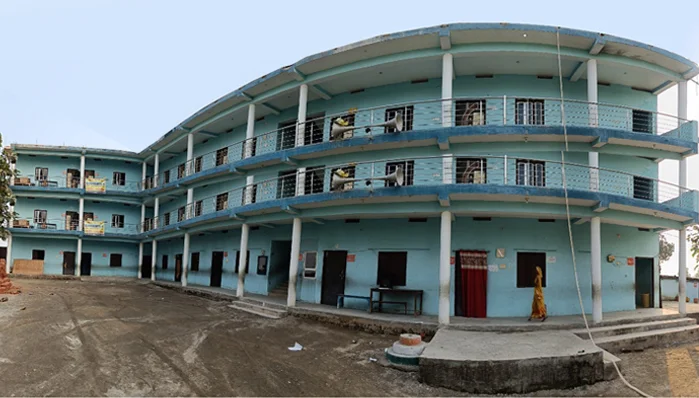
At the UG level, Dr. Binod Pharmacy provides a 2 years Diploma in Pharmacy (D.Pharma.) course to the students. The total cost for this course is INR 200000. This course offers admission to 60 students. Check out other courses available under D.Pharma at Bihar College of Pharmacy.
|
Duration |
2 years |
|
Course Level |
UG Diploma |
|
Mode of Course |
Full Time |
|
Total Tuition Fees |
₹2.00 Lakh
|
|
Seat breakup |
60
|
|
Type of University |
Private
|
No. Candidate shall be admitted to Diploma in Pharmacy Pt. I unless he/she had passed any of the following examinations in all the optional subjects and compulsory subjects (Physics, Chemistry, Biology and /or Mathematics including English as one of the Compulsory subjects):
Admission of candidates to the Diploma in Pharmacy Part - I shall be made in order of merit on the basis of 'Pre-Pharmacy Test' conducted in accordance with the scheme of Examinations and syllabus laid-down by the University.
|
Subject title |
Subject details |
|---|---|
|
Pharmaceutics |
Through this subject, the students will learn about the discipline of pharmacy. It also explains the process of turning a new chemical entity or old drug into medication to be used safely and effectively by the patients. Some other parts of the syllabus are:
|
|
Pharmaceutical Chemistry |
The students will learn about the intersection of chemistry like synthetic organic chemistry, pharmacology, and various other biological specialities. The intersection occurs when they are involved with the design, chemical synthesis, and bioactive molecules. Some other parts of the syllabus:
|
|
Pharmacognosy |
Through this subject, the student will learn about pharmacognosy, which means the study of medicines and crude drugs produced from natural resources. Natural resources like plants, microbes, and animals. The subject also helps understand the analysis of biological, chemical, biochemical, and physical properties of resources. Some other parts of the syllabus:
|
|
Biochemistry and clinical pathology |
The students will learn about the complete concept of molecular levels of the chemical process associated with living cells. The scope of this subject is to provide the biochemical facts and principles to understand the metabolism in pathological and physiological conditions. Some other parts of the syllabus:
|
|
Human anatomy and physiology |
The subject helps in understanding the structure and description of the human body. Human anatomy explains the body’s structure, and physiology explains how body structure looks at different levels, i.e., it focuses on the body’s functions. Some other parts of the syllabus:
|